Different Types of Driveway Materials and Their Pros and Cons for Your Home
A new driveway is one of the most effective ways to improve your home’s appearance, make parking easier and add long term value. Whether you are upgrading an existing surface in Redcar or installing a brand new driveway in Ingleby Barwick, Guisborough or Yarm, choosing the right material is key to getting a result that looks good and performs well for years to come.
A driveway is often the first thing people notice when they arrive at your property. It needs to cope with daily use, changing weather conditions and the weight of vehicles, while still complementing the style of your home. With several driveway options available, understanding the pros and cons of each can help you make a confident, informed decision.
Below, we explain the most common types of driveway materials used across the Tees Valley, outlining their benefits, limitations and the types of homes they suit best.
Block Paving Driveways
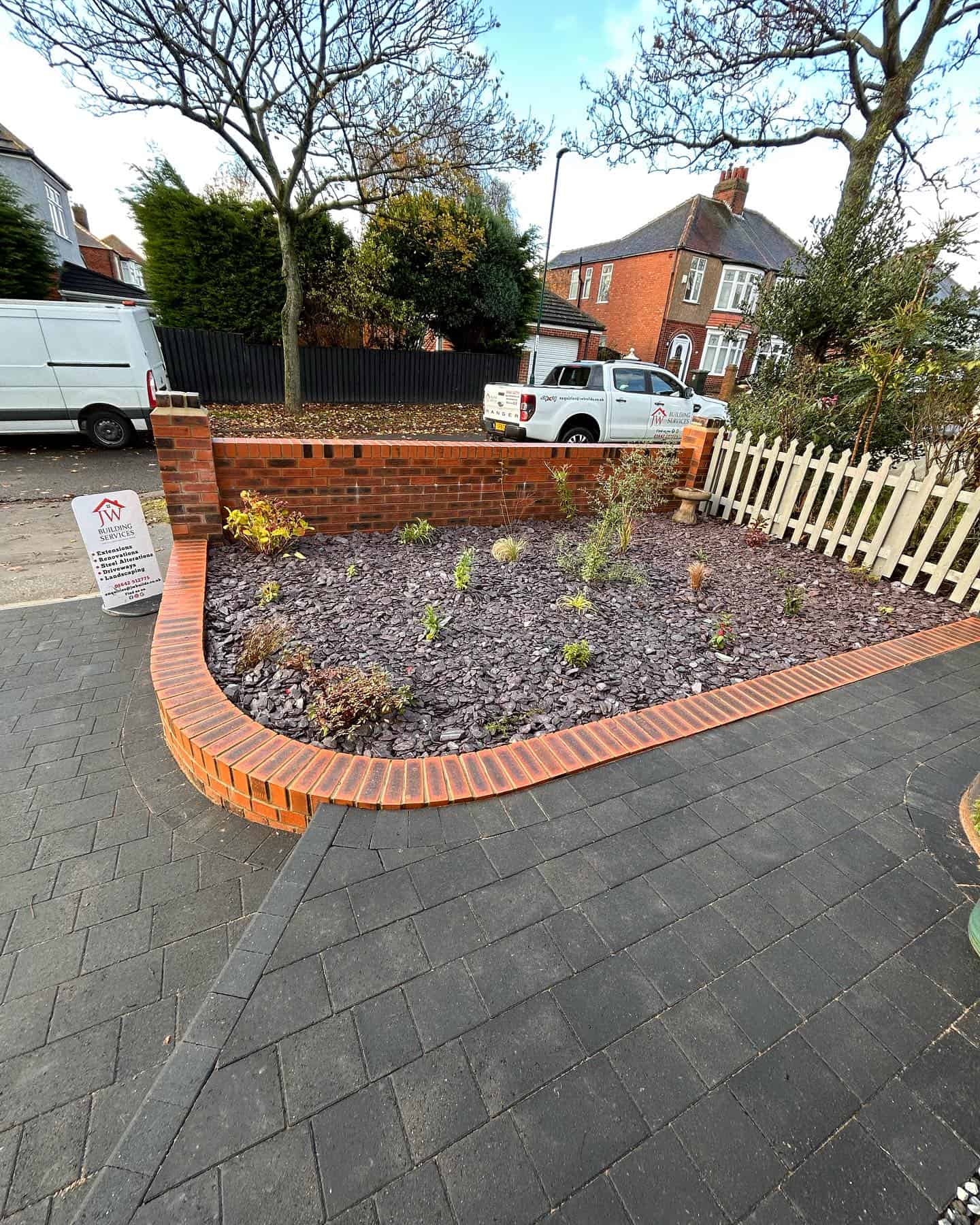
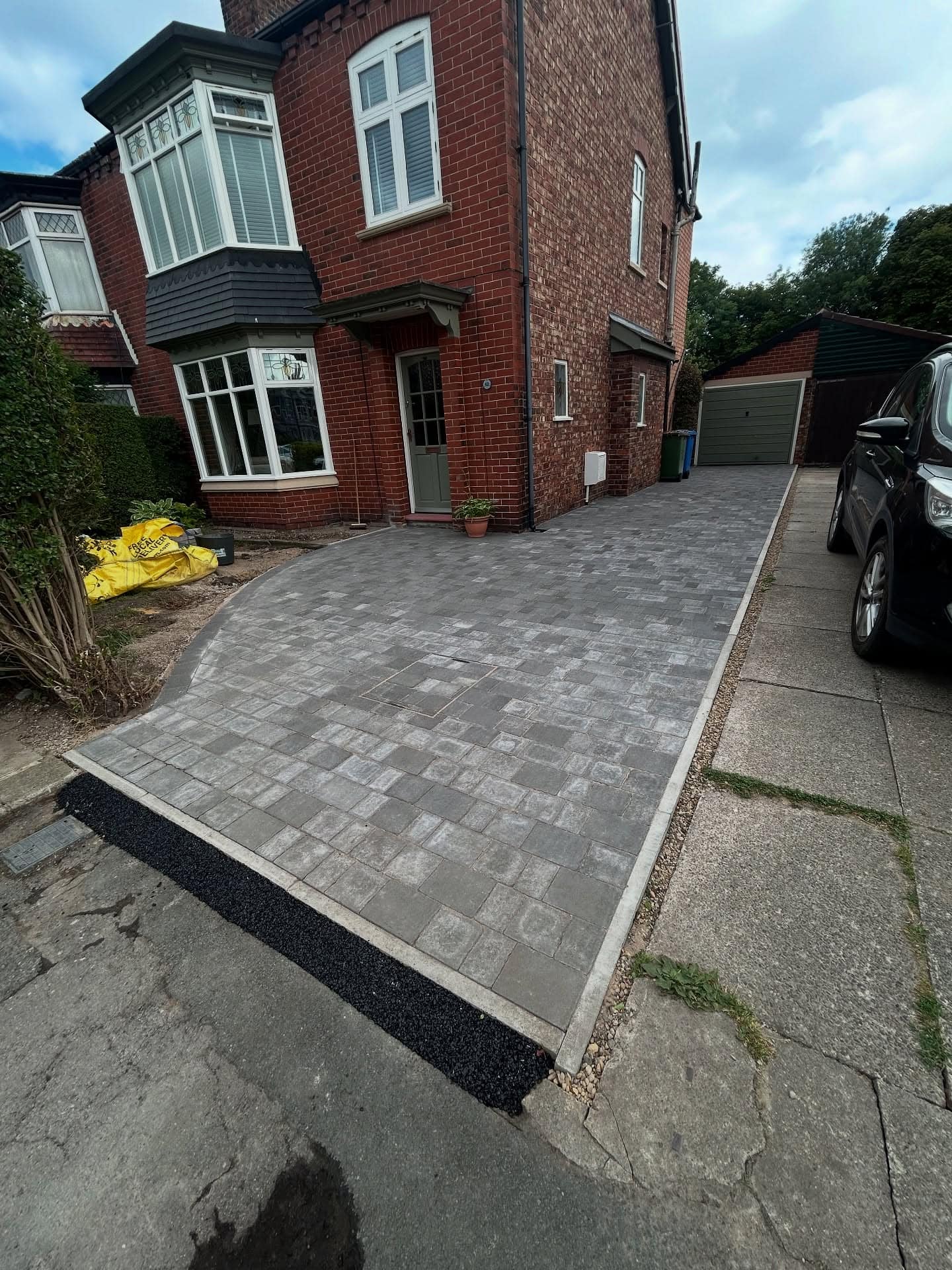
Block paving is one of the most popular driveway choices for residential properties, particularly where appearance and kerb appeal are a priority. It is a service we regularly deliver as part of our driveway installations.
Pros
- Wide choice of colours, shapes and laying patterns to suit both modern and traditional homes.
- Strong and durable when laid on a properly prepared sub base.
- Individual blocks can be replaced if damaged, stained or lifted for repairs.
- Permeable block paving options are available to help manage surface water.
Cons
- Higher upfront cost compared to gravel or tarmac.
- Weeds can grow between joints if the driveway is not sealed or maintained.
- Requires skilled installation to prevent sinking or movement over time.
Block paving is a good choice for homeowners who want a high quality finish and are happy to invest in long term appearance.
Tarmac Driveways
Tarmac, also known as macadam, is a practical and cost effective option that works well for many homes.
Pros
- Quick installation compared to more decorative options.
- Hard wearing and suitable for regular use and heavier vehicles.
- Lower initial cost and minimal ongoing maintenance.
Cons
- Limited colour and design options.
- Surface can fade or weather over time.
- Oil and fuel stains are more visible and harder to remove.
Tarmac driveways are often chosen where practicality, durability and budget are the main priorities.
Gravel Driveways
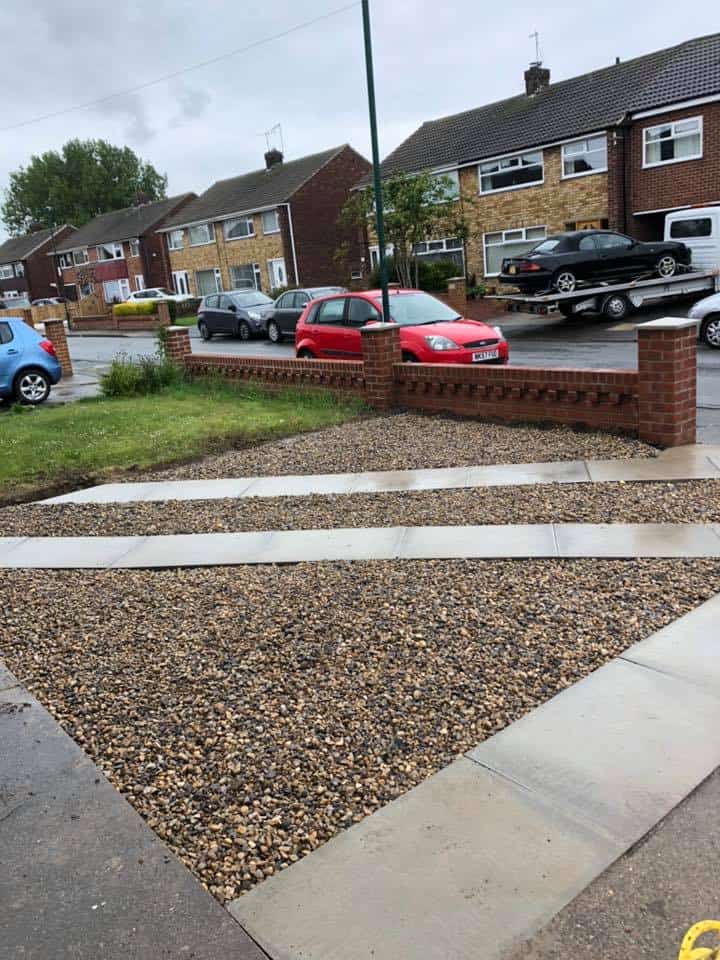
Gravel driveways offer a softer, more natural look and are commonly used on larger plots or rural style properties.
Pros
- One of the most affordable driveway solutions.
- Excellent drainage, reducing the risk of standing water.
- Quick to install and easy to adapt or extend later.
Cons
- Loose stones can spread onto paths and roads.
- Requires periodic raking and topping up.
- Less suitable for wheelchairs, pushchairs or frequent vehicle movement.
Gravel can work well where drainage is a concern, but it does require regular upkeep to stay tidy.
Concrete Driveways
Concrete driveways provide a solid, long lasting surface and are often chosen for their strength and simplicity.
Pros
- Very durable with a long lifespan when installed correctly.
- Low maintenance once laid.
- Can be finished plain or patterned for a more decorative look.
Cons
- Cracks can develop if the ground moves or drainage is poor.
- Repairs can be difficult to disguise.
- Can appear plain without additional finishing.
Concrete suits homeowners looking for a tough, functional driveway with minimal maintenance requirements.
Resin Bound Driveways
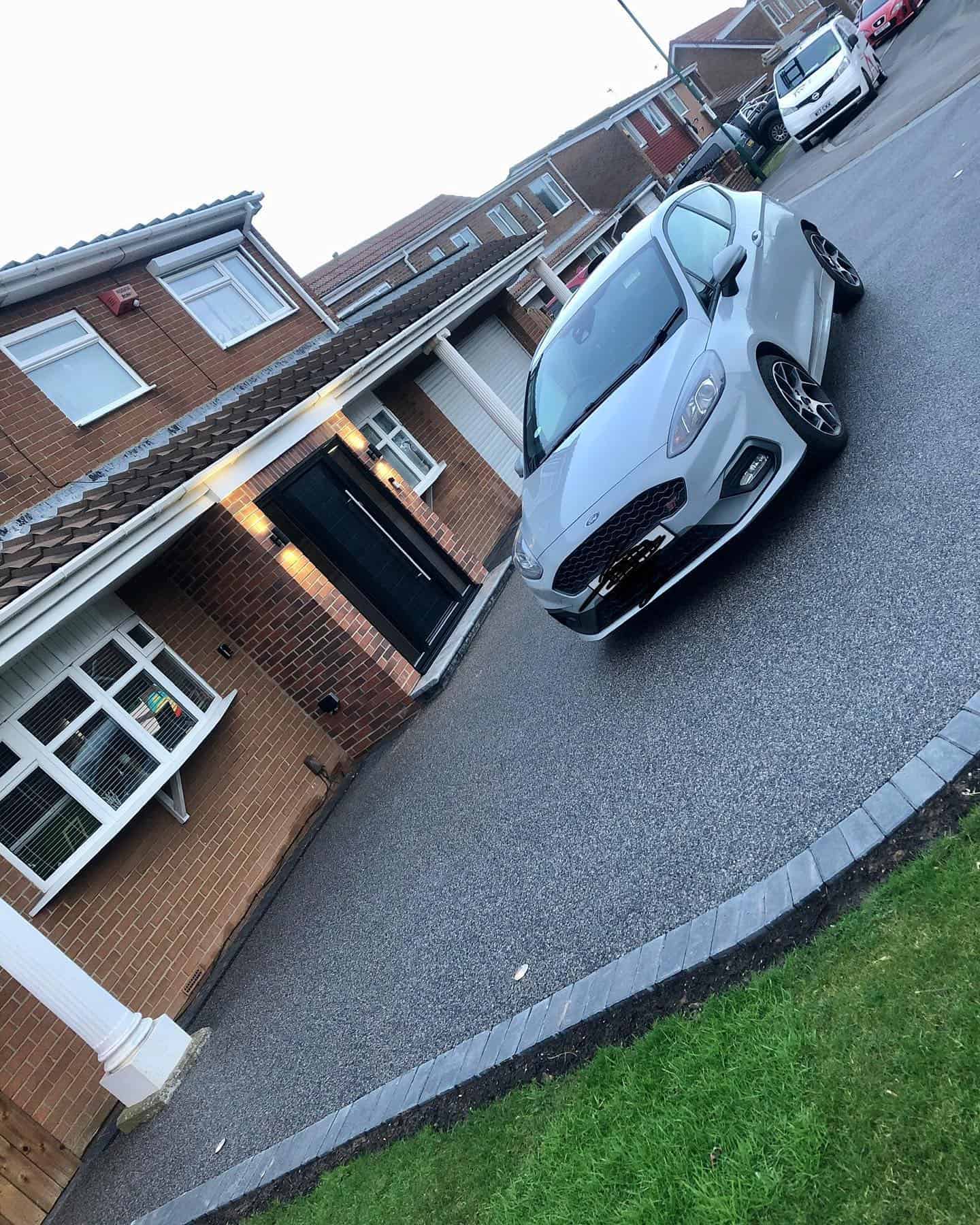
Resin bound driveways have become increasingly popular due to their modern appearance and smooth finish.
Pros
- Clean, contemporary look with a wide range of colours.
- Permeable surface helps comply with drainage regulations.
- Weed resistant and easy to keep clean.
Cons
- Higher upfront cost than tarmac or gravel.
- Installation must be carried out in suitable weather conditions.
- Requires a well prepared base for long term performance.
Resin bound driveways are ideal for homeowners looking for a modern finish with minimal maintenance.
Pattern Imprinted Concrete Driveways
Pattern imprinted concrete is designed to replicate the appearance of stone, brick or slate using stamped concrete.
Pros
- Decorative finish without individual blocks or joints.
- Strong and durable surface.
- Lower maintenance than block paving.
Cons
- Cracks can occur and are difficult to repair invisibly.
- Surface can be slippery if not treated correctly.
- Less flexible to alter in the future.
This option suits homeowners who want a patterned finish without the maintenance of jointed paving.
Choosing the Right Driveway for Your Home
The right driveway material depends on how you use the space, your budget and the style of your property. Block paving and resin bound driveways are ideal for enhancing kerb appeal. Tarmac and concrete offer practicality and durability. Gravel works well where drainage and a softer appearance are important.
Many driveway projects are completed alongside other external improvements such as groundworks, patios or landscaping, helping to create a cohesive and functional outdoor space.
Speak to JW Building Services About Your Driveway
At JW Building Services, we install high quality driveways for homeowners across Redcar and Cleveland, Stockton on Tees and the wider Tees Valley. From initial ground preparation through to the finished surface, we focus on clear communication, solid workmanship and long lasting results.
You can view examples of our work in our project gallery or learn more about our driveway services.
If you would like to discuss your own driveway project, please visit our contact page to request a quote or arrange an initial site visit.