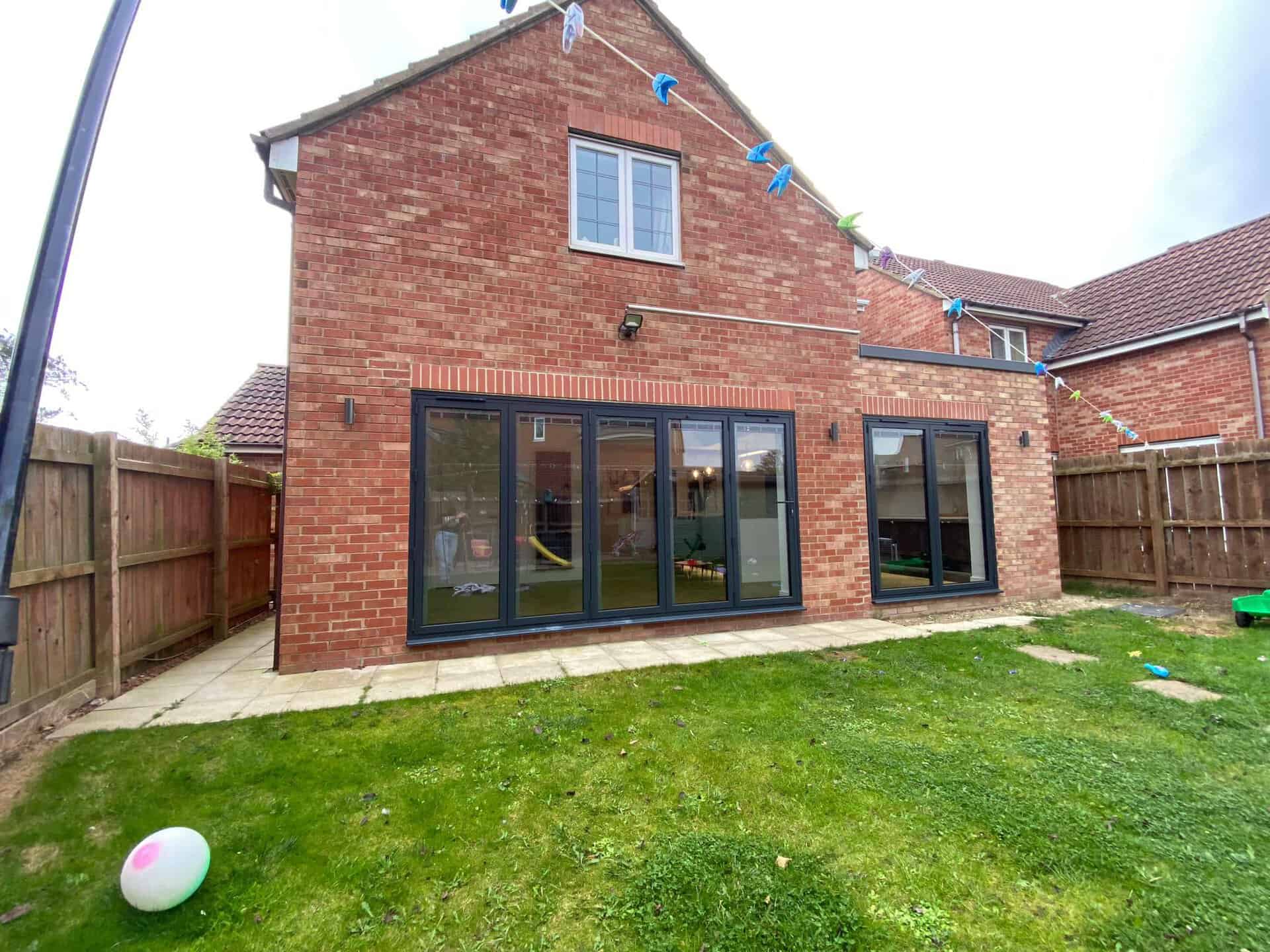
Do You Need Planning Permission For A House Extension?
Many homeowners across Teesside consider extending their property when they need more space, but one of the first questions people ask is whether planning permission is required.
The answer depends on the size, location and design of the extension. In some cases, homeowners can build under permitted development rights, while larger or more complex projects may require full planning approval.
Understanding the difference early can help avoid delays, unexpected costs and problems during construction. In this guide, we explain when planning permission is needed, what permitted development means and when it is best to speak to an experienced builder.
Quick Answer
You may not need planning permission for a house extension if it falls within permitted development rules. However, larger extensions, properties in conservation areas or projects that significantly alter the property often require planning approval from the local authority.
What Is Planning Permission?
Planning permission is approval from your local council allowing certain building works or changes to a property.
The planning process exists to ensure developments are safe, appropriate for the surrounding area and compliant with local regulations.
Not every extension requires planning permission, but it is important to confirm this before work begins.
Many homeowners incorrectly assume they can simply start building without checks, which can sometimes lead to enforcement issues later on.
What Is Permitted Development?
Permitted development rights allow some homeowners to extend their property without needing full planning permission.
These rights apply to many standard home improvement projects, provided the extension stays within specific limits and conditions.
Typical permitted development rules often include restrictions on:
- The height of the extension
- How far it extends from the property
- The materials used
- Its position relative to boundaries
- Overall size compared to the original house
However, permitted development rules can vary depending on the property type and location.
When Planning Permission Is Usually Required
There are several situations where planning permission is more likely to be needed.
Large House Extensions
If the extension significantly increases the size of the property, it may fall outside permitted development limits.
Large rear extensions, double-storey additions and side extensions often require approval depending on their scale and design.
Properties in Conservation Areas
Homes located within conservation areas, protected zones or designated locations may face additional planning restrictions.
Councils often place tighter controls on external changes in these areas to preserve the character of the surroundings.
Extensions That Affect Neighbours
If an extension could impact neighbouring properties through overlooking, overshadowing or loss of privacy, planning permission may be required.
Local authorities carefully assess how developments affect nearby homes.
Listed Buildings
Listed buildings usually require specialist approval before alterations can be carried out.
Even smaller changes may require permission due to the protected status of the property.
Do You Still Need Building Regulations Approval?
Yes. Even if planning permission is not required, most extensions still need building regulations approval.
Building regulations ensure the work meets safety and construction standards.
This covers areas including:
- Structural integrity
- Foundations
- Insulation
- Drainage
- Electrical safety
- Fire safety
Building regulations are separate from planning permission and both may apply to the same project.
How Long Does Planning Permission Take?
Planning applications typically take around 8 weeks for a decision, although larger or more complex projects can take longer.
Timescales may vary depending on:
- The size of the project
- Local authority workloads
- Whether amendments are required
- Objections from neighbours
Planning ahead early can help avoid delays to your project schedule.
What Happens If You Build Without Permission?
Starting an extension without the correct approvals can create serious problems later on.
In some cases, councils may require homeowners to:
- Submit retrospective applications
- Make alterations
- Remove unauthorised work entirely
It can also create issues when selling the property, as solicitors and buyers often request proof that the correct permissions were obtained.
Why It Helps To Work With an Experienced Builder
An experienced builder can often identify potential planning issues early in the process and help guide homeowners through the project properly.
At JW Builds, we regularly help homeowners across Teesside plan and deliver house extension projects professionally and efficiently.
Working with an experienced team can help ensure:
- The extension is designed realistically
- Projects stay compliant
- Construction runs smoothly
- Problems are identified early
- The finished result matches your expectations
You can learn more about our house extension services.
Popular Types of House Extensions
Many homeowners choose extensions to improve how their property functions without needing to move house.
Popular extension types include:
- Rear kitchen extensions
- Open-plan living extensions
- Double-storey extensions
- Side return extensions
- Utility room extensions
- Garden room additions
The right option depends on the layout of your home, budget and long-term plans.
Can an Extension Add Value to Your Home?
A well-designed extension can often increase property value while also improving day-to-day living space.
Additional kitchens, bedrooms and open-plan living areas are particularly popular with buyers.
However, quality of workmanship and design play a major role in the final result, which is why choosing the right builder matters.
How To Prepare Before Starting an Extension Project
Before beginning an extension project, homeowners should consider:
- Budget and contingency costs
- Planning requirements
- Project timelines
- Temporary disruption during construction
- The long-term goals for the property
Good preparation usually leads to a smoother building process overall.
Professional House Extensions Across Teesside
At JW Builds, we provide professional building and extension services across Teesside, helping homeowners create additional living space with high-quality workmanship and reliable project management.
Whether you are planning a kitchen extension, open-plan renovation or larger property upgrade, our experienced team can help guide you through the process from start to finish.
Final Thoughts
Planning permission requirements can vary depending on the size and type of extension you are planning.
Understanding the rules early and seeking professional advice can help avoid delays, unexpected costs and unnecessary stress later on.
If you are considering extending your home, contact JW Builds to discuss your project with our experienced team.